

You have no items in your shopping cart.


Tails
Making pet parenting easy
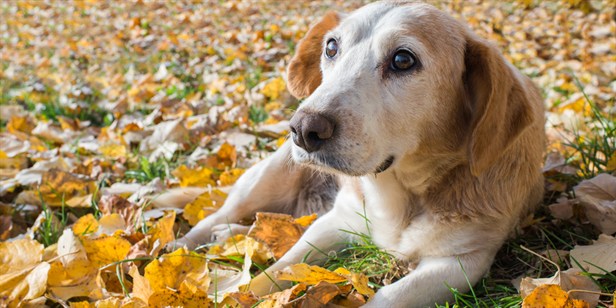
Taking Care of Senior Pets
This entry was posted on 2015-06-23.
As old age approaches our pets’ senses will begin to deteriorate. Often a loss in cognitive function and even some motor skills will slow them down to become quiet and withdrawn. We can help our seniors to feel better by ensuring they have what they need to enjoy life!
- Battling sore joints during wintertime is especially difficult. Watch for difficultly in standing up or limping. There are many good joint supplements available over the counter that will offer some relief. Pain and irritability can cause your dog to snap at annoyances. Teach children and puppies to be respectful around your pet’s sleeping areas and to be gentle during interaction. Other signs of aging include lethargy, depression, reduced activity, reduced social interaction, loss of playfulness and loss of interest in play.
- A dental check may be necessary if your pet is under ten years old and hasn’t been for a check in some time. Ask your vet to inspect his or her teeth, and if recommended, consider having dental de-scaling and extraction of rotten teeth done. If your pet has a sore mouth, he or she may not want to eat hard kibble so keeping their mouth healthy is a good way of monitoring changes in their appetite accurately as they age.
- Fear-based anxieties and confusion may develop as the pet becomes less able to judge and anticipate its surroundings. They could become fearful of stimuli that in the past didn't elicit any fear. Reduced ability to interpret the environment can leave the animal feeling scared and puzzled. They'll spend more time lying in their beds to feel secure. Confusion my cause an old dog to bark unnecessarily.
- Sudden elimination in an unusual area (often indoors) can mean that your pet is stressed or ill. Check that the usual area outside hasn’t become unavailable and that, from your pet’s point of view, your garden is still considered a safe environment to eliminate in. If the behaviour continues take your pet for a visit to the vet and if no clinical reason can be found contact a behaviourist for a consultation so that the cause can be determined.
- Training may become a thing of the past during the golden years. Your pet may not really respond to commands anymore or start snatching food, or soiling in the house. You may see repetitive behaviours and your dog could forget that they asked you to go outside just a few minutes earlier. Try to be patient and understanding.
- Locating recourses may become a daily challenge for the senior pet. Place a scented candle nearby their bed, and a different scent near their water bowl to help with easier navigation. Avoid using citrus. A night-light can help an elderly animal with orientation, as can soft music or your unwashed pajama top. For blind and deaf animals a different floor texture (rug or rubber mat) to indicate various areas can be helpful. Try not to move furniture around to avoid confusing or disorienting your pet. If necessary use sturdy, non-slip ramps or steps to help them get to areas that are no longer easily accessible.
- Encourage pets to drink more water by placing several water bowls out for them. It’s a good idea to have a water bowl nearby your pets’ beds and kennel as they’ll be inclined to have a drink more often. Water transports nutrients around the body, flushes out impurities and helps to keep the organs healthy.
- Soft, clean, warm and cozy beds to sleep in are essential. Have about three and check regularly to make sure that they are all of these things. The beds should be in quiet areas and have good connotations to your pet as your bed has to you. Consider keeping additional soft resting places in areas where she enjoys spending time such as in warm, sunny spots or away from excessive activity. Regularly inspect kennels outside for leaks and spider webs, especially during summer time and ensure that they’re warm and soft enough.
- Your pet’s sleep cycles may change and you may need to get a cover for the pool. She might need supervision around an uncovered pool, around the driveway or anywhere else where her responsiveness and judgement in the past was better.
- Suitable and sufficient mental stimulation is very important in keeping age-related cognitive decline away for as long as possible. An appropriate chew, toy and treat dispenser will keep your dog's senses stimulated and their brain engaged during the day while you're at work. Try to play with your senior cat to keep him or her active and ensure that they have comfy, cozy beds in areas enjoy spending time.
- Low-level exercise is important for body and mind. Try to do a short leash-walk every day and have gentle interaction with your dog so he or she can predict and look forward to some fun time with you, stretching legs and having a sniff around. A change of scenery can do wonders. Keep activity periods short and allow you dog to dictate the pace and distance. If she is being treated for pain or illness, please consult your vet prior to starting any.
- A nice regular brushing can make your pet feel and look good better. Older pets can become disinterested in grooming so you may need to help more often.
- Micro-chipping all pets is a good idea.
Contributed by:
Amanda vd Walt
Behaviour Consultant & Trainer
www.caninecompanion.co.za

