

You have no items in your shopping cart.


Tails
Making pet parenting easy
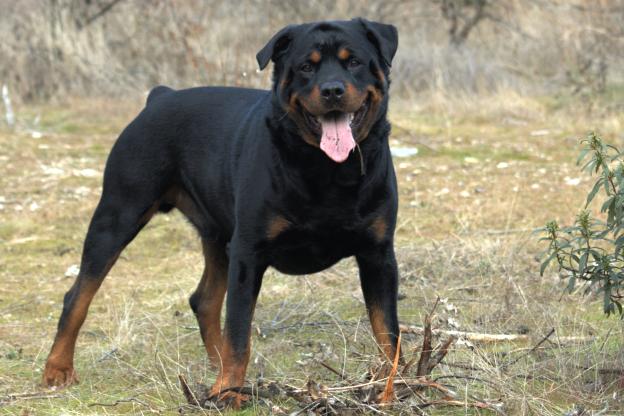
The Woof Profiles- Rottweilers
This entry was posted on 2014-03-18.
A loyal, composed, protective and courageous breed devoted to its owner and loved ones. A high pain tolerance makes them the perfect guard dog and the right owner, who is firm but calm, will make this dog the perfect companion.
Highly intelligent and well-established in police and other security fields, partly due to their ability to be trained to competitive obedience. As Rotties get so large, their training should begin when the dog is still a puppy. This breed needs a lot of guidance and socialization. The “must” in training is to achieve “pack leader” status. In order for your relationship with your Rottweiler to be successful, you must achieve a higher level (along with any other human) in the “pack hierarchy” as it is natural for dogs to exist with a pack mentality. If you offer consistency in training to your Rottweiler, it will make a great playmate for your children.
When socialized well a Rottweiler will accept other household pets, even cats, assuming the owner asserts their authority over the dog. The Rottweiler normally welcomes close friends and family of their owners whilst also being very intuitive regarding those with bad intentions.
Health:
Particularly prone to ACL damage; hip dysplasia (see previous articles with sections on Hip Dysplasia here and/or here). Both of these conditions can be assisted by ensuring your pet is not overweight. The extra weight places extra strain on the dog’s joints. In this case a low-calorie diet coupled with the right amount of exercise for your dog’s age, may help lower your dog’s risk of the above affectations.
Entropion: A genetic condition in which a section of the eyelid is inverted or tucked inward. Often an eyelash or hair irritates and can even scratch the surface of the eye, which results in corneal ulceration or perforation and sometimes infection.
Tends to snore: Although there are multiple causes for snoring, the one you can influence is if your dog is a couple of kilograms overweight. The extra weight often results in excess fatty tissue in the throat area which contributes to the throat blockage which is what causes snoring. If you think this may be your dog’s issue- cut their diet down to a low-calorie diet to help them shed the extra few kilo’s.
Rottweilers are also known to over eat.
Rottweilers are particularly prone to cancer, here are the most common types of cancer Rottweilers are affected by:
Osteosarcoma: Bone cancer
Lymphosarcoma: A tumour which is the result of cancerous proliferation of cells that normally form a part of the immune system.
Mastocytoma: Mast cell tumours. See more here.
Melanoma: A form of skin cancer.
Hemangiosarcoma: A tumour relating to the lining of the blood vessels
The wrong choice of pet food can cause chronic health problems throughout your Rottweiler’s life. From eczema to hot spots, dry hair to oily hair, extreme shedding to dull coats, ear infections to diabetes and loose stools to gas that could clear a room... Although you may never realise the connections, often health issues with begin with feeding your Rottie the wrong food.
If you need to switch pet foods, there are two ways to do it and you need to choose the way that works best for your unique situation and specific dog.
1) Mix new and old food’s gradually over the space of one or two weeks, slowly adding more of the new and less of the old pet food.
2) Skip one meal. In the next meal, feed your dog ¼ of their normal meal, of just new food. The following meal, fee them ½ of their normal feed, of just new food. Maintain this feed level for a day or two. Then slowly start adding a little more of the new pet food per meal until your dog reaches his old feed amount.
The idea here is to watch how the new pet food may affect your dog, perhaps he needs to eat less and you will notice him not finishing his meals even when fed less than before. If your dog is having loose stools or appears to be gaining weight, you may need to cut back and observe if the symptoms stop. Remember, each food is different- as is every dog. So, just because you know someone with the same breed dog as you and their dog responds well to a certain food- does not mean your dog will.Keep your Rottweiler lean throughout his entire life. Carrying too much weight contributes greatly to the development of joint and growth problems in young dogs and causes joint and ligament trouble in adults.
Slow and steady growth is best for your puppy. Rapid weight gain has been shown to exacerbate genetically inclined problems such as Hip dysplasia and Elbow dysplasia. Your dog will reach his predetermined height and weight regardless of how quickly or slowly it happens. The only benefit is that the slower grown pup will be healthier and stronger for longer. Puppies should not be made to walk down stairs, and they should be helped out of cars and off furniture until about 4-5 months in order to attempt to prevent joint, bone and growth plate injuries. As a puppies bones are still very soft at this age, it is easy for them to do lasting damage.
Swimming is a great form of exercise for your pup as it is a low-no impact exercise and is not restricted except that you should watch for accidental drowning in puppies who get too tired and are inexperienced in the water.
From an early age you should teach your Rottie puppy to allow themselves to be examined and handled by both you and strangers. Specifically the teeth, mouth, feet and testicles of your puppy, as when the grown dog visits the vet this will make the visits much easier, less stressful and far more successful in locating problems

